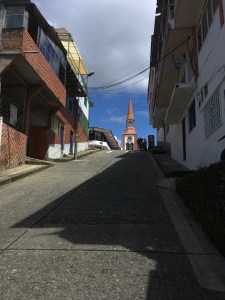
The journey from Manizales to Buenavista via Armenia (not that one) was actually very straightforward. It took around 3 hours and Don Leo collected us from outside of the church in the lovely little square.
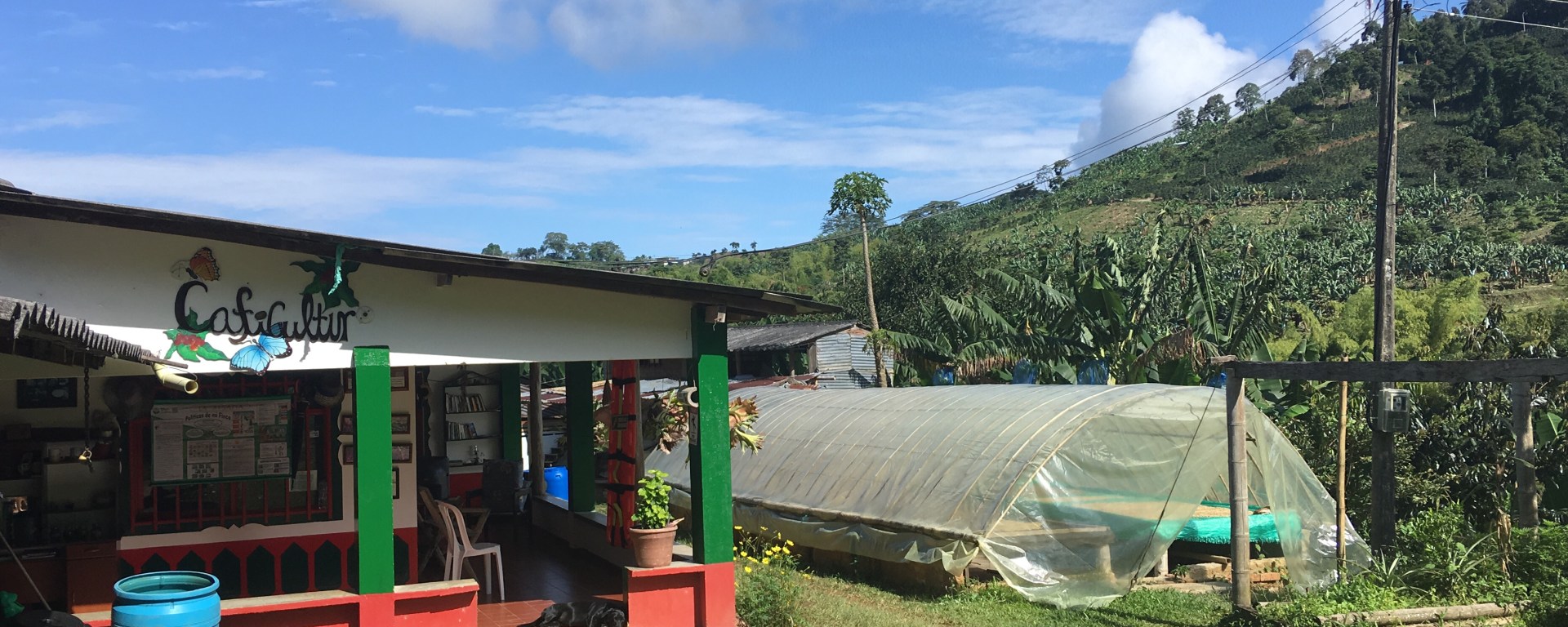
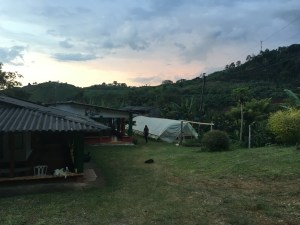
We arrived at La Finca Alsacia (our home for the next two weeks of voluntary work) and were greeted by Yamille (Don Leo’s wife and our Colombian mum).
Our living quarters were fairly basic but we had our own little house and bathroom which was a big plus. The only downside was that there was no hot water but we are now cold shower experts and it doesn’t hurt to rough it from time to time!
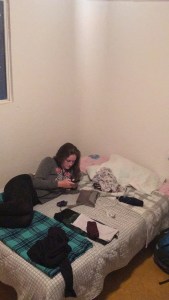
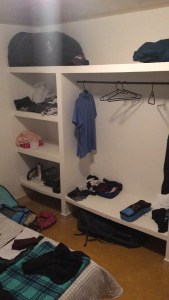
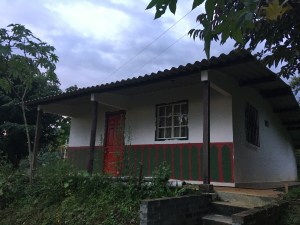
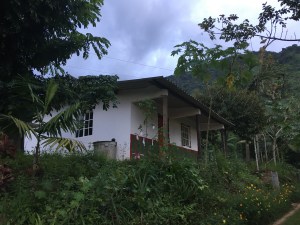
Abi’s Rating: Abstaining/10 – I don’t feel I could say…if it was a hotel i’d say 0. Cold water, uncomfortable beds, dirty, cockerels outside at 5am. But when you put it into perspective it was a 10/10 experience.
Mike’s Rating: 5/10 – In 25 years I have never had problems with bot sleeping at night but I was kept up a lot here…the bed was just pretty uncomfortable! Otherwise it was a nice little house.
Our main job for the two weeks was to translate the tours for any English speaking visitors. During the first week we actually managed to do four or five tours and it was really enjoyable.
The tour began in cafe extasis on the corner of the main square in Buenavista. Here, we would have a little bit of a chat over a cup of Don Leo’s coffee. Now I have never liked the taste of coffee but I did actually manage a fair few cups of the Don’s special stuff. Maybe I was just being polite but I seemed to enjoy it.
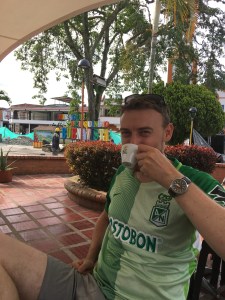
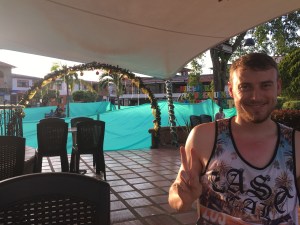
He was fairly disgruntled when Abi asked for milk in her coffee (many other foreign visitors opted for milk too…or worse sugar!) “It ruins the coffee and the taste is gone within 3 minutes…but I have to accept other tastes” was the diplomatic response from the main man.
What followed was a two hour leisurely stroll down to the farm (more on that particular hill later…) where Don Leo would tell his story. You can read that here if you haven’t already.
On one occasion Carlos (Yamille’s brother) took the tour and we were treated to a far different experience that was a lot quicker but no less enjoyable. Fast paced and full of humour, Carlos was a real character and his love for the chickens was admirable.
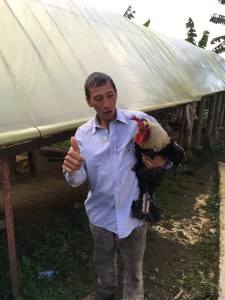
Although his story was not as dramatic as Don Leo’s, Carlos won our hearts when he informed us that he never finished school when he was a child. He left when he was 9 so a few years ago he decided to finish primary school, do secondary school and then do a degree at the local university. (All of this at the weekends and in the evening while he was still farming). He proudly announced that his secondary exam score was bettered only by a girl in the neighbouring state…4 points apparently!
One of our favourite tours was with an English couple who were not too interested in the history of Colombia and more fascinated by the nature. As a result Don Leo adapted his tour and they knew so much about all the plants and wildlife. We learned a lot and tried our best with the flora and fauna translations!
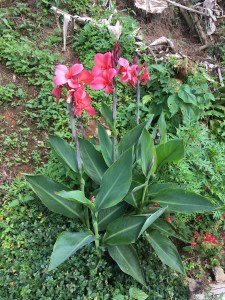
What’s in a coffee?
Personally I had no idea about the coffee making process when I first set foot on the farm but I feel well educated now.
When a coffee sees is planted it takes 60 days to grow its first two leaves (pretty tiny).
Ten days later and the shells that protect the leaves have fallen away and the leaves have grown substantially. Locally this is called chapolla and it is reminiscent of a butterfly.
The plant then grows (leaving the chapolla leaves at the base of the plant (these need to be cleared away to maximise the nutrients consumed by the tree itself).
It is then two years before the coffee plant produces its first harvest. If it is well maintained and disease free, the coffee tree can produce beans for up to 45 years.
The coffee beans are then pocked by the coffee farm workers. While we were at the farm there were 4 workers (including Carlos) but during the peak picking period there are up to 20 workers at the farm.
At this point the beans are placed in water and those that float are immediately categorised as 3rd and 4th rate coffee beans.
The rest are sorted by a lovely woman called Dora (or the volunteers ie us). Red, not too small, ripe ones are 1st rate coffee beans and the rest are 2nd, 3rd and 4th. We took a little while to get the hang of it and were a lot slower than Dora but got there in the end.
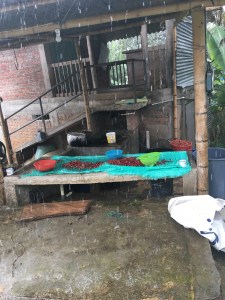
From this point the beans are de shelled (with the exception of one type) using a machine before being placed in a large container to be fermented for different lengths of time.
Don Leo currently makes 3 types of coffee:
Classic – approx 60 hours fermentation
Honey – 120 hours fermentation
Dark/wine/raisin – 60-80 hours fermentation but with shells still on
When this process is complete the beans are left to dry in the sun within greenhouse type structures. Depending on the temperature the drying can take between 3 and 8 days.
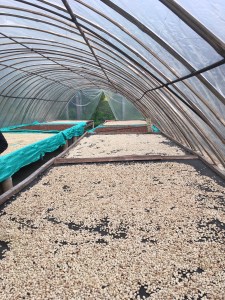
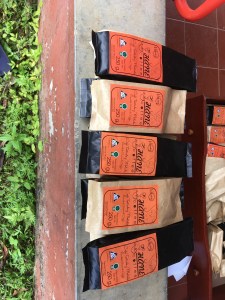
This is where Don Leo’s part ends and his beans are sent to a local business who roast the beans and then turn some into powder as required.
Farm life
Our first week on the farm was great. We did our tours, shelled coco beans (sore on the fingers), sorted coffee beans, removed pulp from guanabana (messy) and put labels on coffee.
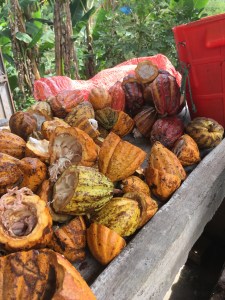
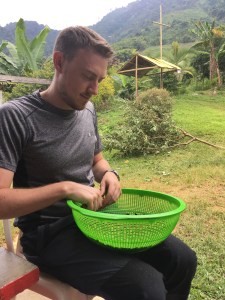
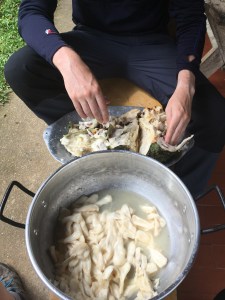
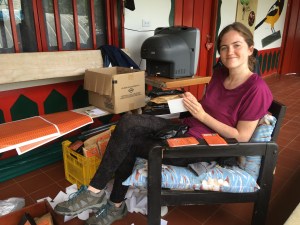
However the second week was a much slower affair with barely any tours, no coffee beans to sort and no coco to shell. We tried to do the odd bit here and there but we just wiled away our days on our phones or making our way UP to the little town of Buenavista.
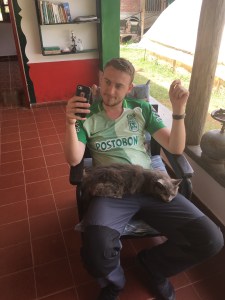
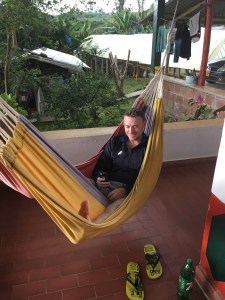
We ate three times a day on the farm and the food was basic bit decent enough. Breakfast was at 8am and we did feel a little vad as we rolled out of bed to eat while the workers had already spent 2 hours toiling away.
Eggs were a treat, rice and beans was also enjoyable. Having said this soup was a popular breakfast delicacy and it was just difficult to do. The herbs were strong and the friday fish head special was nearly too much even for me…Abigail sensibly abstained.
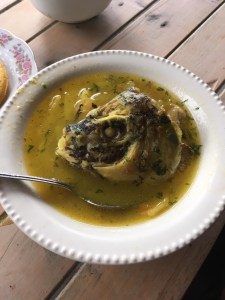
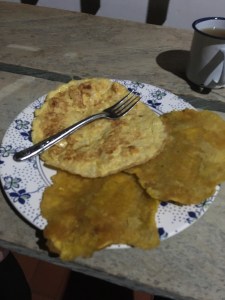
Lunch (served at midday unless we were on a tour which meant we ate a little later) was soup again and then a playe of rice, meat and plantain. We actually got used to the plantain and it became quite enjoyable by the end.
Dinner was lunch but later on (bit Irish that)…the workers ate at 4.30 just before going home and we did join them on a couple of occasions but it was too early even for the Brits!
Gringos best friend
The animals played an important part in our daily lives. The cockerels woke us up early and didn’t seem to have a purpose (no hens)…but Carlos loved them.
Pancha and Mancha were the two cats…we never worked out which was which. Not a cat fan but they were friendly enough and loved a nap.
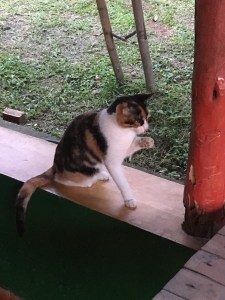
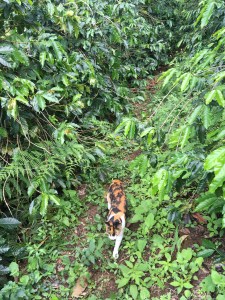
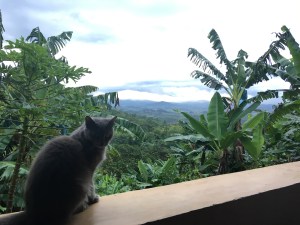
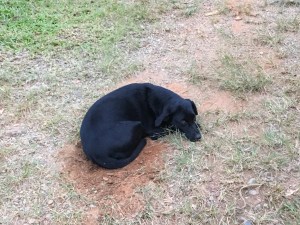
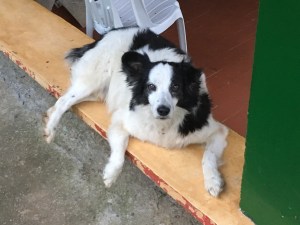
Canga and Morgan were the two dogs. Morgs was scruffy looking but we liked him the most because he liked to sit with us and he ate all of the food that Abi didn’t want!
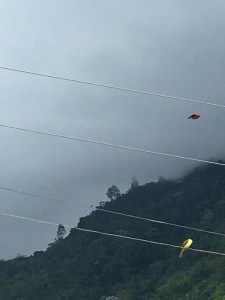
There were a vast array of tropical birds on show…tricky to photograph mind!
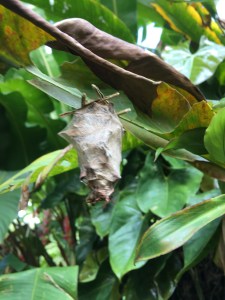
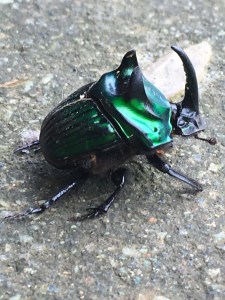
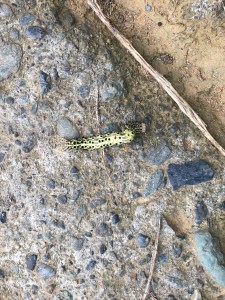
Some interesting insects too…straight out of bugs life (I cried when I watched that in the cinema aged 4…Jenny made us sit in the front row (who does that) and I thought the bugs were real. I had the last laugh though as we had to leave.
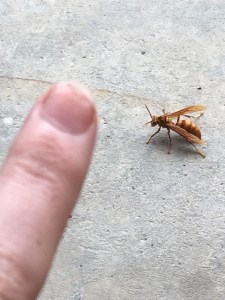
Nature
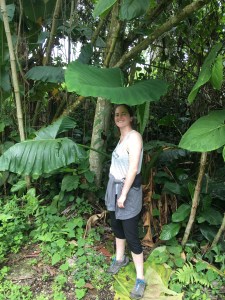
This was a walk through nature at its finest. Fruit around every corner, plants with medicinal purposes for problems you never knew existed…the cure to cancer and diabetes (if you believed Carlos)…it was all there.
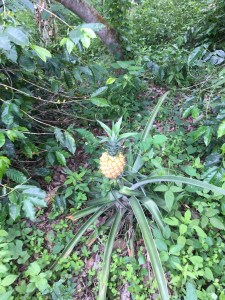
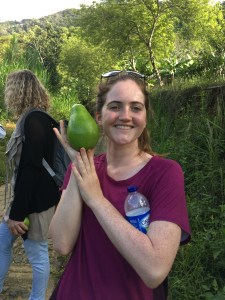
It was so green and reminded us a bit of home (minus the tropical plants). Favourite was the mother in laws tongue…closely followed by Bella a las once (only opens between 10am and 11am…scenes).
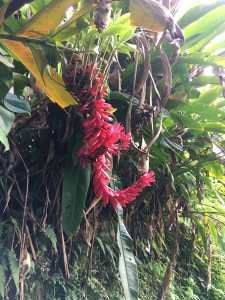
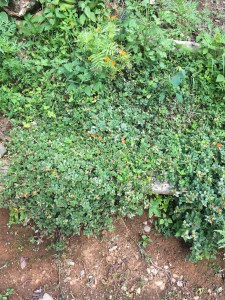
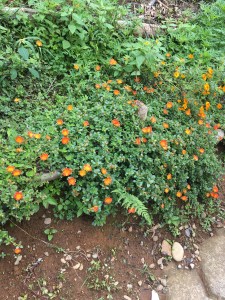
The machete plant was also a big highlight…how is that even possible!
On a couple of days we got some serious rain…batten down the hatches and hide. Big mistake because we missed dinner and got a severe dressing down from Yamille at breakfast the following morning!
Buenavista
We spent a lot of our downtime in the small but charming little town of Buenavista.
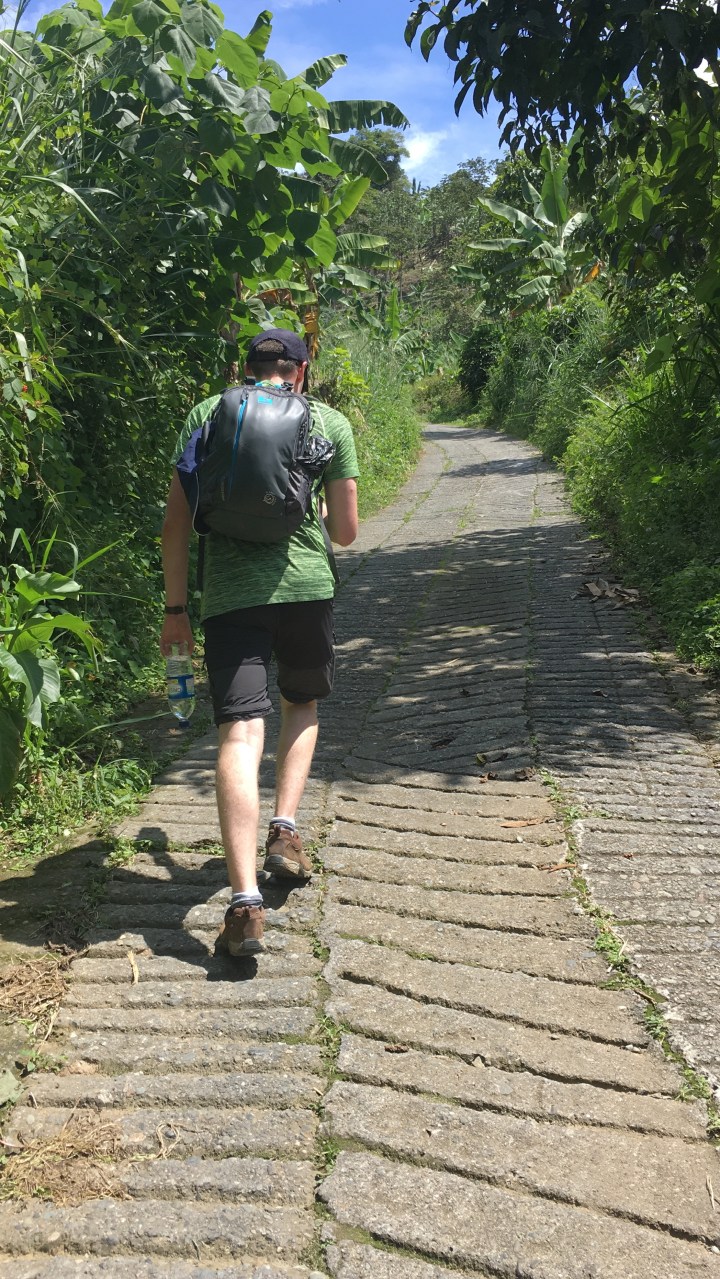
As a couple of above mentions have alluded to, the hill up to the town from the farm was a steep one. It only took about 20 to 25 minutes but we were seriously sweating when we reached the top.
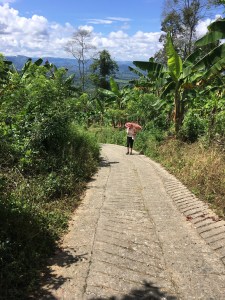
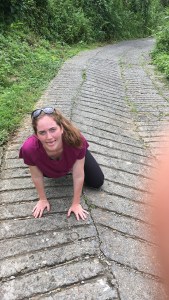
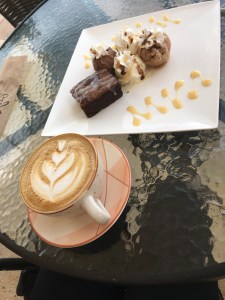
We went to Sunday mass and it was a busy affair with a number of confirmations taking place. We also enjoyed a few indulgences to negate two weeks of the same food at the farm…brownie and ice cream was the highlight! We also saw a couple of cracking sunsets…good view…as the name of the town would suggest!
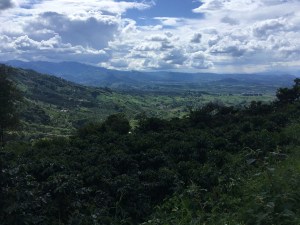
Cocora
To break up the two weeks on the farm we allowed ourself a little getaway to Salento and the Cocora valley.
We left Buenavista on Saturday afternoon and arrived in Salento in the early evening. The hot shower and comfy bed were gleefully received and we treated ourselves to a large dinner – the steak was unreal.
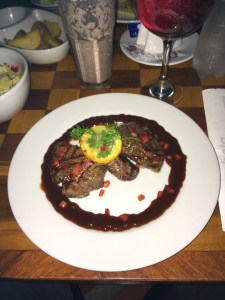
Sunday was an action packed day as we spent about 6 hours hiking around the Cocora Valley. The weather was delightful and we were all alone for the first part of the walk. Bliss.
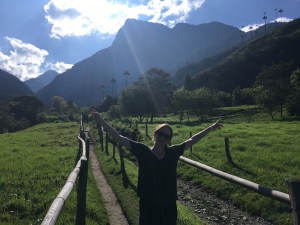
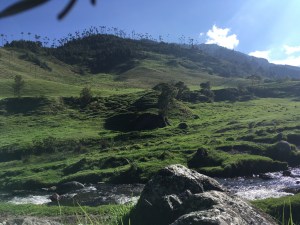
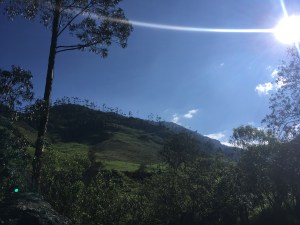
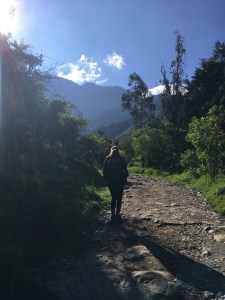
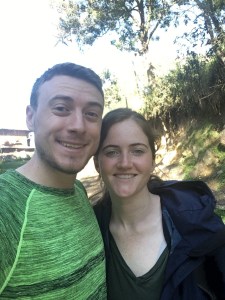
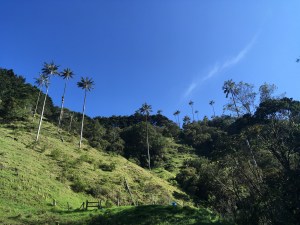
The terrain changed from green fields to cloud forest and I thoroughly enjoyed crossing the rickety bridges! I felt as though I was in a real life version of Uncharted.
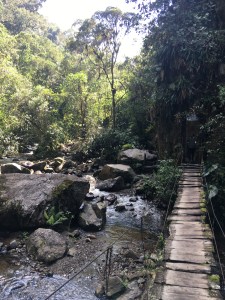
The hike was pretty gruelling as we (I) had opted for the more tricky anti clockwise route. We took a detour up to the hummingbird retreat and I wasn’t convinced that it was worth the extra effort. Abi had cheese and hot chocolate and there were a few birds around but it was a bit out if the way.
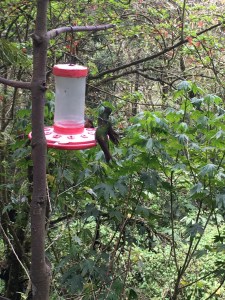
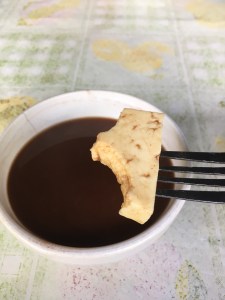
The next hour was the toughest as the steep climb up took a lot out of the legs. We powered through but by now the clouds were closing in and I feared that our view of the famed wax palms would be erm…clouded.
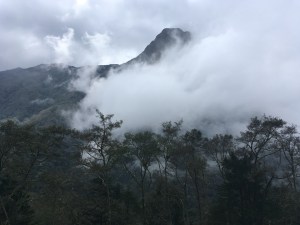
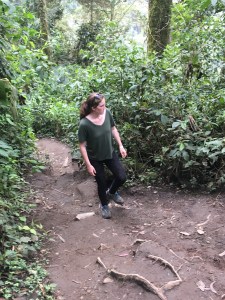
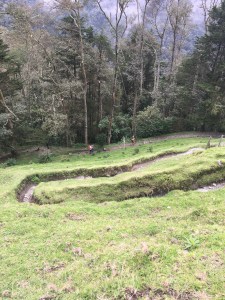
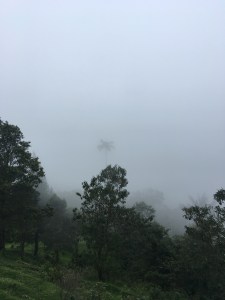
However, (after descending for what felt like an age) we were greeted with a clearing sky and the incredible sight of hundreds of wax palms that reach a height of about 70 meters.
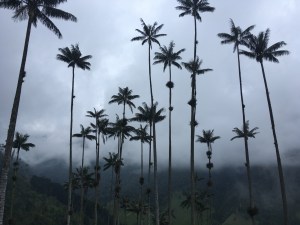
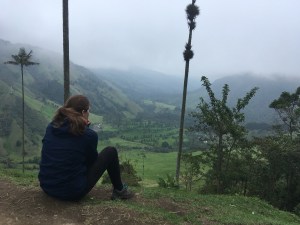
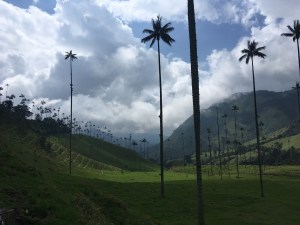
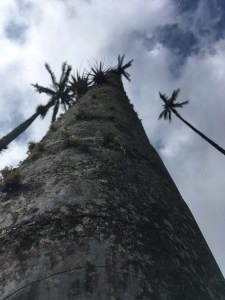
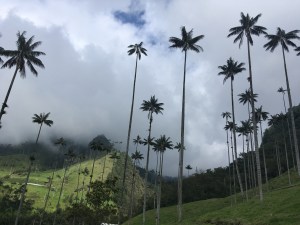
They are really remarkable and it is quite baffling how they manage to support themselves with strong winds in the area.
We returned to Salento (knackered) and just about had time for a quick bite to eat before making our way back to the farm (I slept well that night I can assure you!)
Parapente
Throughout our time on the farm we had seen paragliders flying over head and Abi was keen for us to give it a go. I wasn’t that keen. We obviously did it.
We were taken up to the top of the valley by a willy (the name they give to the jeep taxis in this part of Colombia) and there were some stunning views.
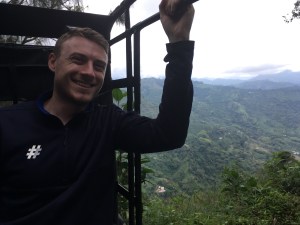
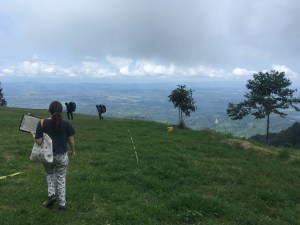
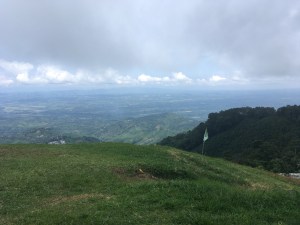
It was only Abi and I so we were marched to the top of a hill, signed a form and given a 30 second safety briefing before being strapped in and told to run. If you want to watch our flights here are the links:
It was an incredible feeling and I loved every minute of it. We had spectacular views over where we had spent the last 2 weeks and I felt very safe as I floated along. Abi loved it too and I’m glad she made us do it!
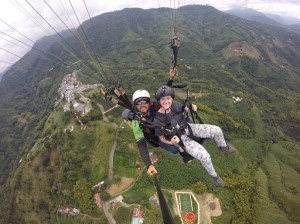
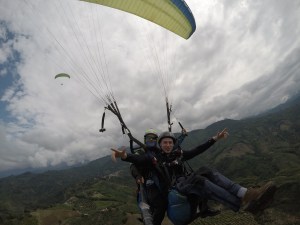
All that was left was to say our goodbyes on the farm (sadly Don Leo had become quite ill so he was not his vibrant self) and we were a bit sad to leave but it was time to hit the road once again.
Next Stop: Zipaquirá and San Gil (we have decided to bypass Bogota because of protests -shock)
#WhatOddsPaddy
A few little niggles regarding correct translations on the tour (working together perhaps a step too far) but aside from this it was a very chilled few weeks. Abi did very well with the long hike although she wasn’t too happy when she discovered that we did the difficult hike route. But we are still friends.
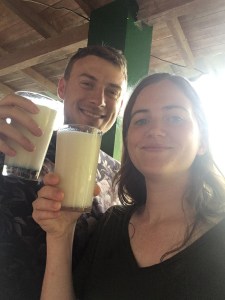
Divorce Odds: More chance that City will win the league
 Honey Year Travels